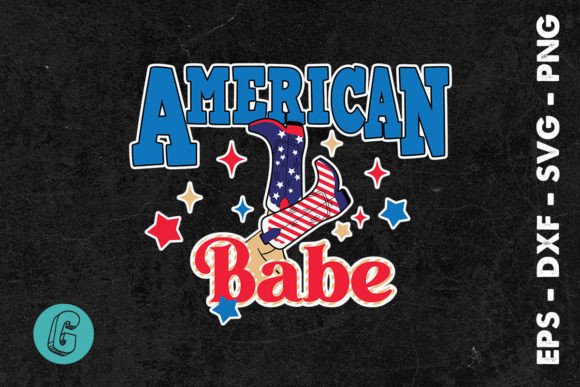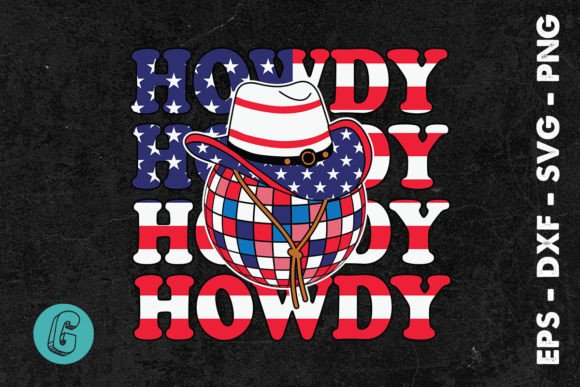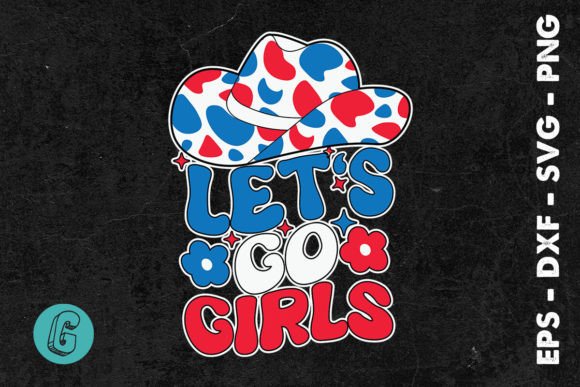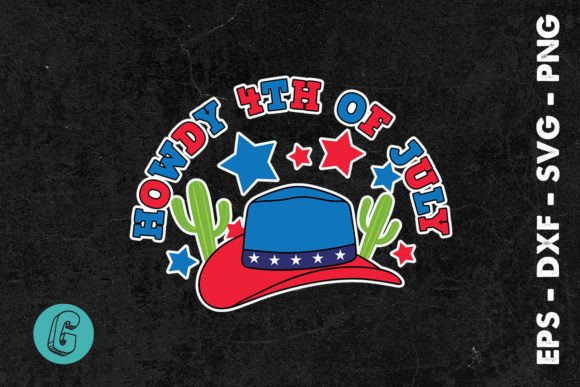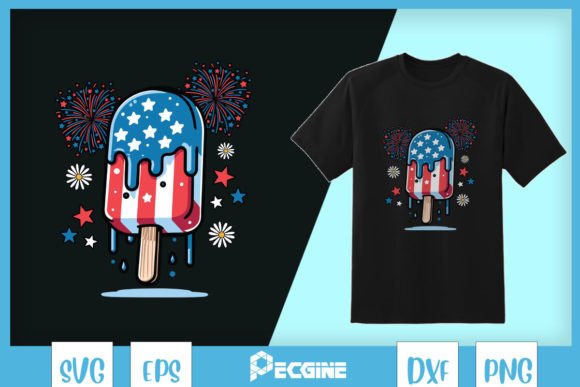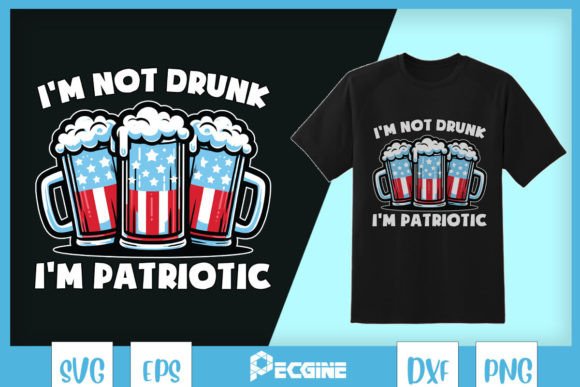
Beer American Flag 4th of July SVG
A Designer’s First Look: Bold, Playful, and Unapologetically Patriotic
Opening Beer American Flag 4th of July SVG feels like cracking open a cold one on a sun-drenched porch—immediately familiar, casually spirited, and built for celebration. The composition balances a centered, stylized American flag with a bold beer mug silhouette integrated into the field of stars. It’s not subtle, and it doesn’t need to be. As a machine embroidery design, its strength lies in confident shape language: clean outlines, generous negative space, and intentional simplification—not over-detailing. That makes it inherently adaptable across T-Shirt Designs, embroidered patches, and holiday merchandise. I immediately pictured it stitched onto a heavyweight cotton tote bag for a local brewery’s Independence Day pop-up. Not as a background whisper, but as a front-and-center statement.
Where This Design Shines in Real Embroidery Projects
In practice, Beer American Flag 4th of July SVG works best when treated like a signature motif—not a delicate accent. On a midweight sweatshirt, the bold lines translate cleanly into satin stitch borders and dense fill stitch for the flag stripes. It holds up beautifully on structured items like aprons and pillow covers, where fabric stability supports crisp registration. For baby embroidery? I’d steer clear—this isn’t a nursery decor graphic; it’s made for grown-up gatherings, backyard BBQs, and craft fair booths selling custom apparel. Etsy sellers will find it especially effective for curated summer collections: think “Patriotic & Pints” bundles featuring matching caps, tea towels, and embroidered koozies.
The included formats—SVG, PNG (with transparent background), and DXF—give real flexibility. SVG scales cleanly for resizing in design software before digitizing; PNG helps preview placement on mockups without color bleed; DXF opens doors for hybrid workflows, like laser-cut applique templates or vinyl overlays. As a Graphics asset, it bridges digital prep and physical execution without friction.
Places to Pause Before Stitching
Don’t rush this into every project. Its charm is its confidence—but that also means it demands thoughtful placement. On thin or stretchy fabric (like lightweight tees or baby onesies), the dense flag areas may pucker without proper cutaway stabilizer and careful hooping. Curved surfaces—caps or beanies—require repositioning the design to avoid distortion in the star field or mug handle. Tiny lettering isn’t present here, which is a relief, but corners where the mug meets the flag do tighten visually; test those intersections on scrap fabric first.
Dark fabric? Absolutely viable—but only if thread colors are chosen intentionally. A navy cap with red/white/blue thread reads festive; the same design in light thread on black can look washed out unless stitch density is verified. Likewise, textured fabrics (like terry cloth towels or looped fleece) will soften fine edges—so if you’re embroidering kitchen towels, consider simplifying the mug outline further or using a heavier running stitch border for definition.
What Customers Actually Notice
People don’t see vector points—they see personality. This design signals approachability and shared tradition. When stitched cleanly on a well-made tote bag, it reads as handmade product with intention—not clipart slapped on. That builds customer trust, especially for small shop products where authenticity matters. It also boosts giftability: a personalized gift feels more considered when the embroidery has visual weight and thematic clarity. And yes—it gets recognized. At a craft fair, someone *will* point and say, “Oh, I need that for my grill station.” That kind of instant resonance is rare—and valuable.
Practical Notes Every Embroidery Designer Should Run Through
- Always test on scrap fabric first—especially with your intended stabilizer combo and thread brand. Density varies by machine and software.
- Review stitch density before finalizing. High-density fills work on stable fabrics, but may require reduced density for breathable knits.
- Confirm hoop size compatibility. This design fits comfortably in a 4x4 hoop at standard sizing—but if you scale up for a blanket or banner, verify your machine’s max area.
- Inspect small details in your embroidery software: the star cluster inside the mug, the stripe alignment near the handle, and how the flag folds into the mug silhouette.
- Test black-and-white mockups to assess contrast and legibility before committing to thread colors.
- Compare light vs. dark fabric backgrounds—not just for visibility, but for perceived warmth and tone.
- Use appropriate stabilizer: cutaway for knits, tear-away for stable wovens, and fusible + tear-away for lightweight or layered garments.
- Verify licensing before selling finished items or bundling the digital embroidery file commercially. Since this is marketed as a Graphics asset for T-Shirt Designs, confirm whether resale rights extend to physical products or only digital use.
Final Thought: A Reliable Workhorse for Seasonal Commerce
Beer American Flag 4th of July SVG isn’t trying to be everything—it’s a focused, functional, and fun embroidery file built for real-world output. It’s the kind of design I keep in my “go-to holiday folder” alongside fireworks motifs and vintage-style banners—not because it’s flashy, but because it delivers consistent results across custom apparel, embroidered patches, and small business merchandise. It supports a craft business without demanding excessive digitizing tweaks. For Etsy sellers preparing their July inventory, for makers stitching personalized gifts, and for apparel decorators building seasonal collections, this is less of a novelty and more of a quietly dependable tool. Just remember: let the design breathe, stabilize thoughtfully, and always test before the first customer order hits.