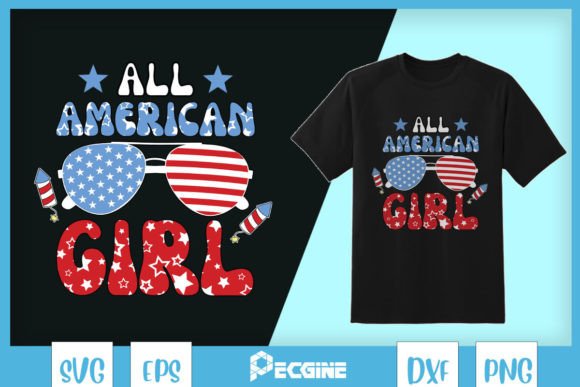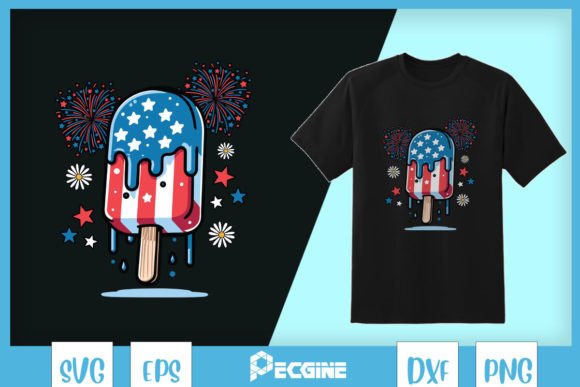
4th of July Red White Blue SVG: T-Shirt Designs & Graphics
As a graphic designer who’s built brand identities for handmade businesses, launched seasonal print-on-demand collections, and crafted marketing visuals for local festivals, I recently evaluated the 4th of July Red White Blue SVG for a client project: a limited-edition summer capsule for a small-batch artisanal soda brand launching patriotic-themed merch and event packaging. My goal wasn’t just to see if it “looks festive”—it was to assess whether this graphic design asset delivers real creative value in commercial design contexts.
A First Impression That Lands with Intention
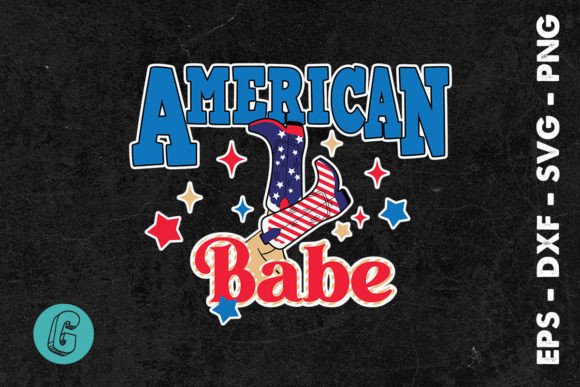
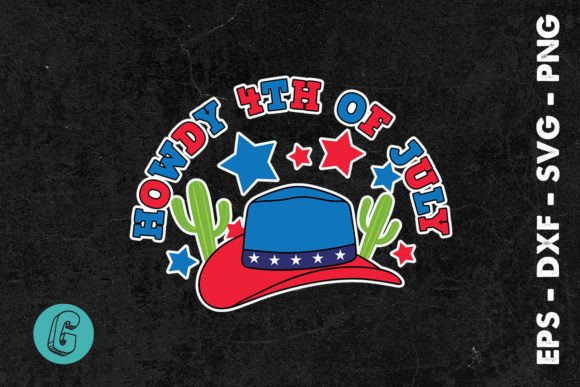
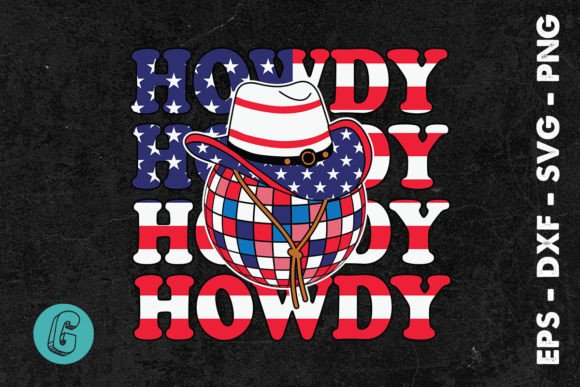
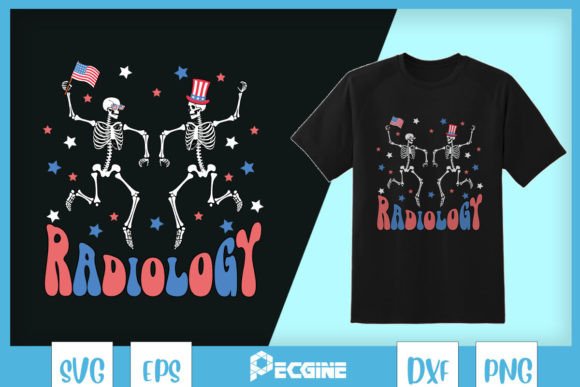
The 4th of July Red White Blue SVG opens with bold, confident simplicity—clean vector lines, balanced negative space, and a deliberate saturation level in the red, white, and blue palette. It avoids cartoonish clichés (no wobbly stars or over-rendered fireworks) and leans into modern design sensibility: geometric stars, crisp stripes, and scalable symmetry. It feels celebratory without shouting—and that’s rare. For a client whose brand voice is warm, authentic, and locally rooted—not loud or mass-market—this sets the right visual mood from frame one.
Where It Shines in Real Client Work
This 4th of July Red White Blue SVG excels where thematic cohesion matters most:
- T-shirt design: Perfect as a centered chest logo or sleeve accent—especially when paired with organic cotton mockups and muted background tees. Its pre-sized SVG format drops cleanly into Illustrator or Affinity Designer without scaling distortion.
- Packaging design: Used on soda bottle labels and kraft paper gift boxes, it adds instant seasonal recognition while preserving brand identity—just reduce opacity slightly and layer behind a custom script font for contrast.
- Social media graphics: Scales beautifully for Instagram carousels and Pinterest pins. The included high-resolution PNG with transparent background eliminates clipping issues on gradient or photo-based backgrounds.
- Cricut project and sublimation design: The DXF file imports flawlessly into Cricut Design Space and Silhouette Studio. Cut lines are clean, and registration marks align precisely—critical for heat-transfer consistency across tote bags and mugs.
- Printable design and editorial design: Works powerfully in newsletter headers, printable party kits, and blog banners—its vector nature ensures razor-sharp output at any size, from A4 handouts to 24” trade show posters.
Where to Use It With Thoughtful Restraint
This isn’t a universal drop-in solution. In my client review, I flagged three scenarios where the 4th of July Red White Blue SVG needs intentional placement:
- Small sizes: Below 1.5 inches wide, fine details like star outlines or thin stripe separations blur—even in SVG. Always test at actual usage scale before finalizing product mockups.
- Crowded layouts: On busy backgrounds (e.g., textured paper scans or layered photo collages), its strong color contrast can compete rather than complement. Try converting to duotone or using only the star motif as a subtle watermark.
- Minimalist branding: If your client’s visual language relies on monochrome palettes or extreme whitespace, this asset will feel tonally dissonant unless heavily edited—think desaturation, line-only extraction, or selective element isolation.
Design Judgment: Beyond Aesthetics
What makes the 4th of July Red White Blue SVG more than clipart? It supports visual hierarchy—its structure guides the eye without overwhelming supporting text. It builds emotional appeal through familiar symbolism, but avoids dated tropes that erode visual trust. When placed beside serif typefaces (like Playfair Display), it grounds editorial designs; against sans serifs (Inter or Montserrat), it sharpens modern campaign visuals; and with handwritten fonts, it adds playful authenticity—ideal for Etsy product listings or farmers’ market signage.
I tested readability by overlaying it on light and dark backgrounds, then printed samples on both matte and glossy stock. The SVG retained crisp edges, the PNG preserved full transparency (no haloing), and the DXF cut cleanly on vinyl. Crucially, I confirmed the commercial license permits use across client deliverables—including digital ads, physical products, and Canva templates sold on creative marketplaces.
Practical Designer Notes You’ll Actually Use
Before deploying the 4th of July Red White Blue SVG in your next project, run these checks:
- Test it in black and white—does the shape hold up without color cues?
- Preview at 25%, 100%, and 300% zoom in your design software to verify edge integrity.
- Drop it onto three real product mockups: a t-shirt, a ceramic mug, and a kraft mailer—observe how it interacts with texture and lighting.
- Compare contrast ratios using WebAIM’s Contrast Checker—especially if pairing with body copy.
- Open the SVG in a code editor—look for unnecessary layers or embedded raster elements that could bloat file size.
- Verify licensing explicitly covers your use case: e.g., “Can I use this in an editable Canva template I’m selling?” Yes—if the license states broad commercial use.
Final Verdict: A Reliable, Seasonal Creative Asset
For designers serving small business branding, print-on-demand sellers, crafters, and content creators building timely campaigns, the 4th of July Red White Blue SVG is a well-executed, production-ready digital product. It’s not groundbreaking innovation—but it’s consistently functional, commercially safe, and stylistically cohesive. In my soda brand project, it became the anchor for a unified campaign: from Instagram Stories to shelf-ready labels to Cricut-cut window decals for their pop-up shop. That’s the mark of a truly useful design bundle: it doesn’t steal the spotlight—it elevates everything around it.