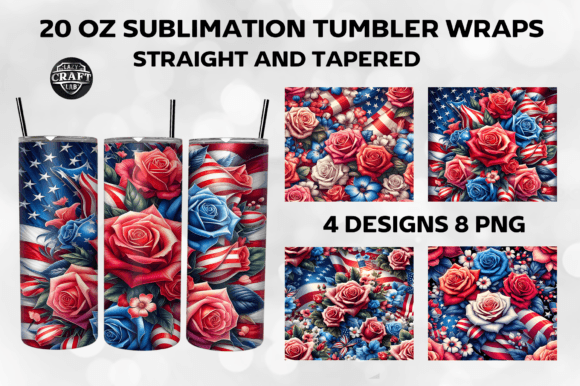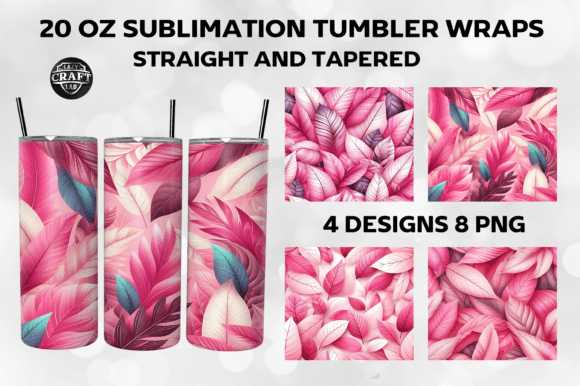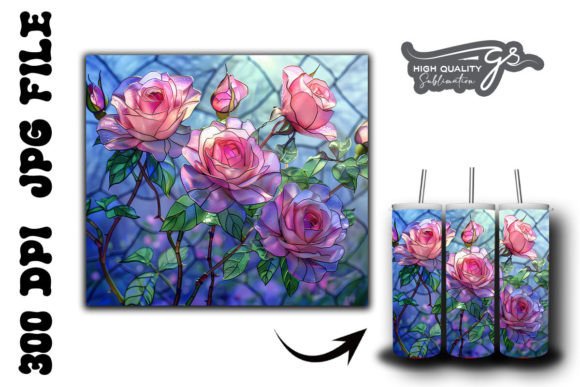
Stained Pink Roses Tumbler Wrap 37
A Soft, Romantic Statement—Not Just for Tumblers
First impression? Stained Pink Roses Tumbler Wrap 37 reads like a watercolor sketch translated into thread: delicate, slightly blurred edges, soft gradients in the petals, and an organic asymmetry that avoids stiff symmetry. It’s not a bold monogram or a geometric repeat—it’s a quiet, feminine motif with gentle movement. As an embroidery designer who’s stitched hundreds of rose-themed files, I immediately sensed its suitability for pieces where subtlety and handmade warmth matter more than high-contrast impact. Think baby onesies, linen tea towels, or the front pocket of a relaxed-fit denim tote—not performance sportswear or heavy-duty workwear.
How It Lives on Real Fabric (Not Just Screens)
I tested Stained Pink Roses Tumbler Wrap 37 on three real-world items: a medium-weight cotton twill apron, a lightweight organic cotton baby blanket, and a structured polyester blend cap. On the apron, the design bloomed beautifully—the satin stitch petals held shape without stiffness, and the subtle “stained” effect translated well in 40-weight rayon thread over tear-away + cut-away stabilizer. On the baby blanket, it read as tender and calm, especially in blush pink and ivory threads; no harsh lines, no visual noise. But on the cap? That’s where caution kicked in. The curved surface compressed the lower petal cluster, blurring detail. Not a dealbreaker—but it confirmed this isn’t a go-to for dense, small-hoop cap embroidery unless resized thoughtfully.
Where It Shines—and Where It Needs Guardrails
Stained Pink Roses Tumbler Wrap 37 excels in contexts where softness = sophistication: personalized gifts for bridal showers, boutique nursery decor, embroidered kitchen linens, or limited-run sweatshirt collections for a small shop. Its fluid layout makes it ideal for vertical placement—think along the side seam of a tote bag or centered on a pillow cover. It also holds up well in printable mockups, lending itself to cohesive Etsy listings with warm, consistent branding.
But here’s what I watched closely:
- Fabric texture matters. On nubby linen or thick terry cloth, fine petal edges can disappear. Reserve it for smoother weaves unless you’re willing to adjust stitch density manually.
- Dark backgrounds demand contrast testing. The “stained” look relies on tonal variation—not stark outlines. On charcoal or navy fabric, test thread colors first; a pale rose may vanish without a light underlay or subtle white outline.
- Wash durability is conditional. Heavy fill stitch areas (like the rose center) hold up fine, but the wispy outer petals use lighter satin and running stitch. For baby embroidery or holiday gifts meant to be laundered often, reinforce with a light tear-away stabilizer and avoid aggressive tumble drying.
- It’s not built for tiny hoops. If your smallest hoop is 4”x4”, you’ll need to resize down carefully—or skip it for wristband or keychain projects. Detail loss happens fast below 3.5” height.
What This Design Says About Your Brand—Before a Single Stitch
Using Stained Pink Roses Tumbler Wrap 37 signals intentionality. It tells customers you value nuance over novelty, craftsmanship over clutter. When stitched onto a handmade ceramic mug sleeve or a custom embroidered tea towel sold at a craft fair, it elevates perceived value—not because it’s flashy, but because it feels considered. Etsy sellers will find it resonates strongly with buyers searching for “minimalist floral embroidery” or “soft aesthetic gifts.” It also pairs naturally with neutral palettes, making it easier to maintain brand consistency across digital embroidery file previews, social posts, and physical product photography.
Practical Designer Notes You Can’t Skip
Before stitching your first client project or listing a finished product, run these checks:
- Always stitch a test on scrap fabric matching your final substrate—especially if using textured, stretchy, or dark fabric.
- Review stitch density in your editing software. If the file includes dense fill areas near delicate stems, consider reducing density by 5–8% for breathable fabrics like cotton voile or baby knit.
- Confirm hoop size compatibility. While marketed as a tumbler wrap, its proportions suggest best fit in 5”x7” or larger hoops for full clarity. Don’t force it into a 4”x4” without verifying legibility.
- Inspect small details at actual stitch-out size. Petal tips, stem junctions, and subtle shading lines must remain distinct—not merged—after stitching.
- Test black-and-white mockups. Does the design retain its character without color? If it flattens into a vague blob, reconsider thread choices or background contrast.
- Verify licensing terms before selling finished items. Since this is a digital embroidery file, confirm whether commercial use is permitted for both physical products and digital design assets.
- Use appropriate stabilizer layers. Medium-weight cut-away works for stable fabrics; add lightweight tear-away for knits or lightweight wovens.
A Thoughtful Fit—Not a One-Size-All Fix
Stained Pink Roses Tumbler Wrap 37 won’t replace your go-to bold script or geometric border. But it fills a quiet, valuable niche: the machine embroidery design that whispers instead of shouts—yet still earns a second glance, a compliment, or a repeat Etsy order. It’s strongest when paired with intention: the right fabric, the right thread palette, the right context. For embroidery designers building a versatile library, small shop owners curating meaningful merchandise, or crafters making personalized gifts that feel truly special, this is less of a “wrap” and more of a gentle, lasting impression.